
-
Dog Waste Station
Regular price $359.99Regular price -
Mini Waste Station
Regular price $269.99Regular price -
Bag Dispenser
Regular price $179.99Regular price -
Dog Waste Station Trash Can
Regular price $179.99Regular price


Built from steel. Not hope.
-
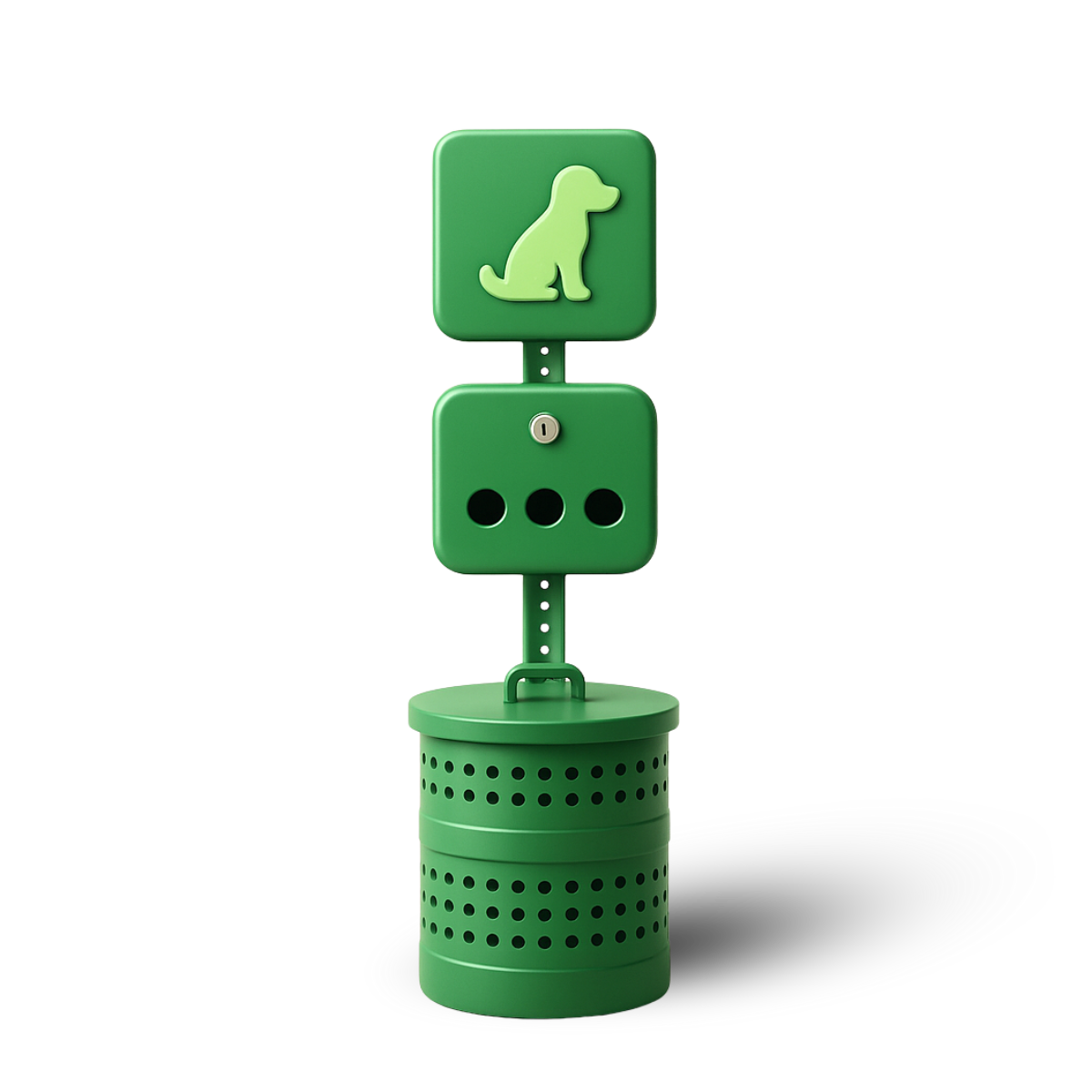
Overbuilt on purpose.
Commercial dog waste stations are permanent outdoor equipment, not lawn ornaments. Ours pair a 14-gauge galvanized-steel post with a steel bag dispenser and 13-gallon can. Substantial by design, because the job is not delicate.
-
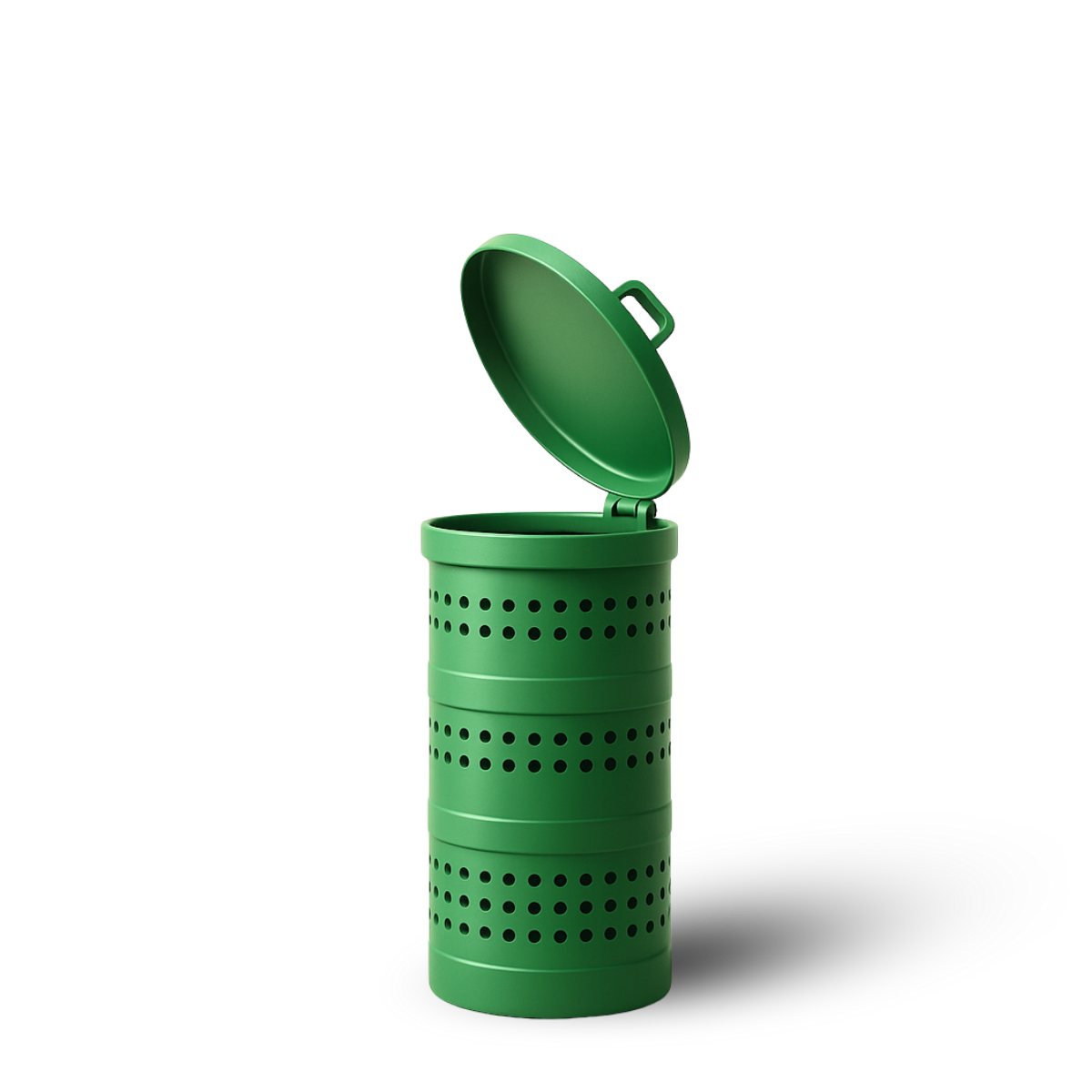
The lid knows its job.
Open. Drop. Close. The fitted lid helps contain odor and discourage flies, while built-in liner clamps keep the bag at the rim instead of letting it slide into the 13-gallon can. The person emptying it will notice.
-
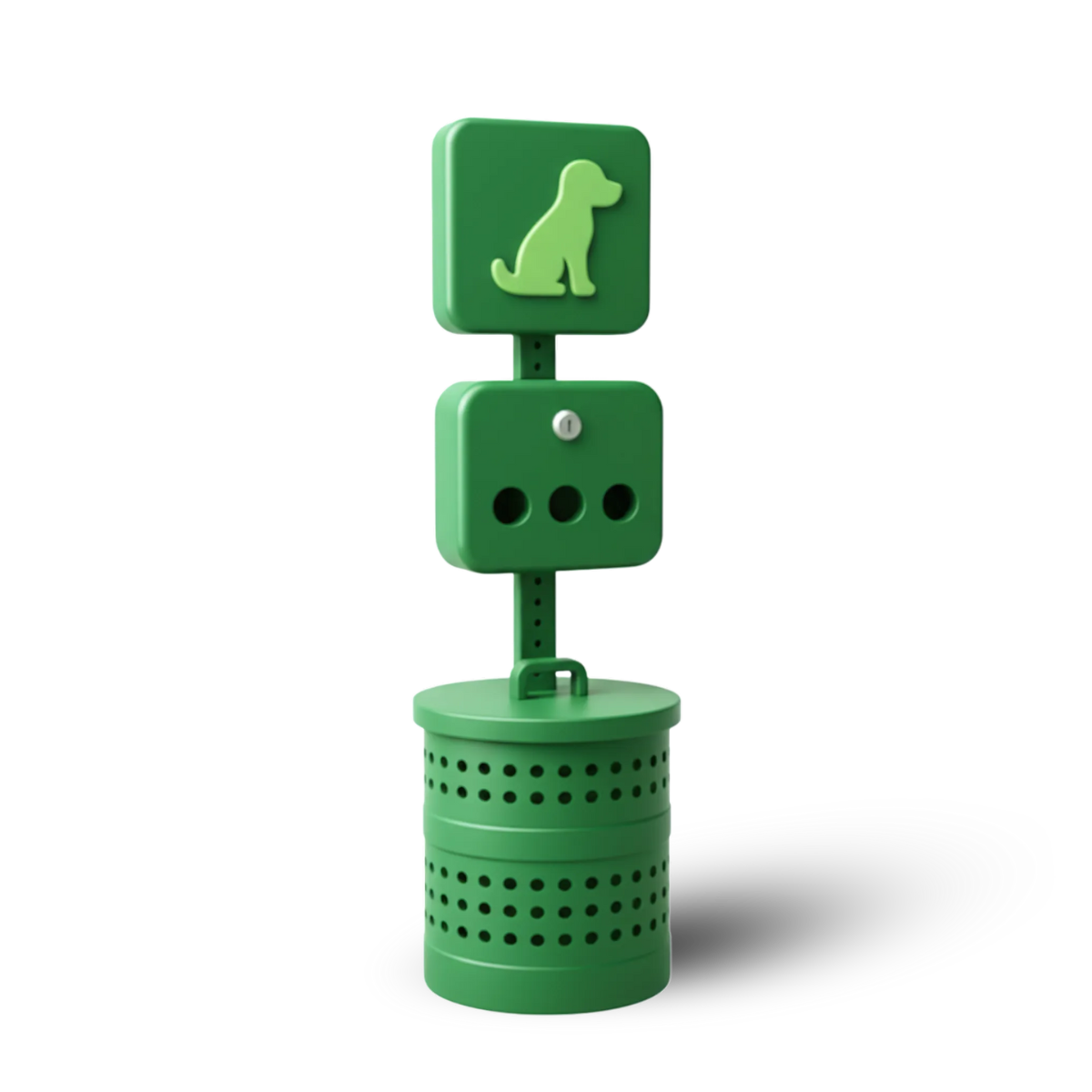
Protected three times over.
Galvanized steel underneath. Hunter Green powder coat over it. ULTRASEAL on top. All three come standard on K9 dog waste stations, putting three protective layers between the steel and the weather.
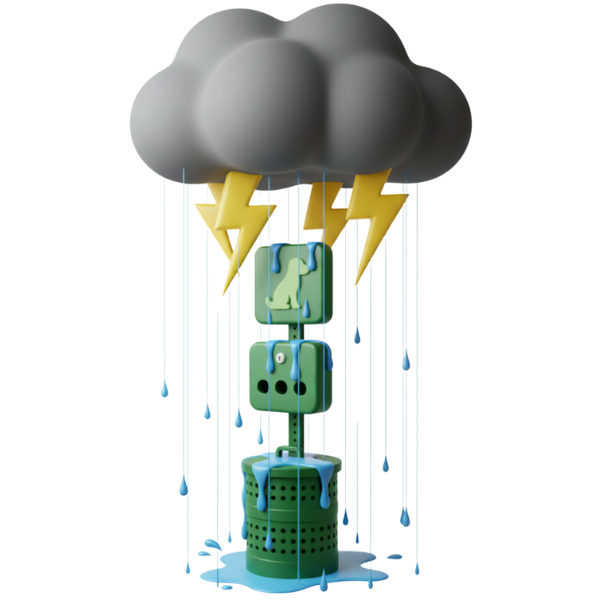
Natural selection for pet waste stations.
Commercial pet waste stations work outside every day. Steel construction and a standard three-layer finish are there for rain, sun, and day-to-day exposure. Weather is still nature’s quality-control department. Ours show up prepared.

Precision where the parts meet.
A steel dog waste station is a system: post, dispenser, sign, can, lid, and hardware. Each part is made to work with the next, so the finished station feels like one piece of equipment. Precision is boring until it is missing.

Free bags. Just kidding. They are locked.
The keyed dog waste bag dispenser keeps the refill supply behind a door instead of presenting the whole case like a community candy bowl. Two keys come with the station.

Dog waste stations for parks and trails.
Put it where the dogs already are. Dog waste stations for parks work best along the routes people already use: trailheads, entrances, dog areas, and the walk back to the parking lot. Visible enough to use. Quiet enough to let the park stay the park.

Dog waste stations for HOAs.
For properties where aesthetics matter. HOA boards and property managers need dog waste stations that solve a visible problem without becoming one. A coordinated sign, dispenser, post, and can keeps shared spaces looking managed, because they are.

Dog waste stations for apartment complexes.
More dogs. Less room for guesswork. Apartment communities concentrate dog traffic around a handful of exits, lawns, and walking routes. Place dog waste stations where those routes begin.

Replace the part. Keep the station.
A vandalized can, dispenser, or sign should not turn into a full-station purchase. K9 sells dog waste station replacement parts individually, so you can replace what failed and leave the rest of the setup where it belongs.
Questions People Ask
What is the difference between the full station and the Mini Station?
The can. A full dog waste station includes the sign, keyed dispenser, post, and 13-gallon can. The Mini Station is the same setup without the can. Use the full station when the location needs its own disposal point. Use the Mini where a suitable trash can is already a few steps away. Same bag access. One less can for your crew to empty.
How many dog waste stations does our property need?
One station per 50 units is a useful starting point, not a law of nature. Check that number against your dog count, walking routes, and how often your crew can service each location. A station nobody passes is not coverage. It is lawn furniture. Use the station-count guide to run the numbers for your property.
Where should dog waste stations be placed?
Where dog owners already walk. Start with path entrances and exits, dog areas, open lawns, clubhouses, and pedestrian entrances to parks. If using the station requires a detour, people will find ways not to use it.
Should we choose a roll-bag or hanging-header dispenser?
Choose between lower cost per bag and tighter dispensing control. Roll bags have K9's lowest cost per bag and are the practical choice for most high-volume properties.
The tradeoff is that the roll keeps feeding, so someone can pull several bags at once or deliberately empty the dispenser. Hanging-header bags cost more per bag, but they pull away one at a time from a punched card, giving you better control where refills disappear too quickly.
If you are replacing bags in an existing station, match the dispenser format already installed.
Does the dog waste station arrive assembled, and how is it installed?
No. The full station arrives in parts: the can, three post sections, keyed dispenser, sign, two keys, mounting hardware, and illustrated instructions.
The post sections bolt together, and the can, dispenser, and sign mount to the post.
Concrete is recommended for the in-ground installation. Check for buried utilities before digging.
How often should we refill and empty the station?
Let actual use decide. At first, check the dispenser and can during each normal grounds round.
Once you know how quickly bags leave and the can fills, set a schedule that gets there before either one becomes the problem.
If a location constantly outruns the schedule add another station, or service it more often.
Can we replace one part without buying another full station?
Yes. K9 sells the 13-gallon can, keyed bag dispenser, and sign separately. Replace the vandalized or worn part and leave the rest of the station where it belongs.
If you are fitting a K9 part to another brand's post, compare the mounting points before ordering.
What happens if the station arrives damaged?
Inspect the shipment when it arrives. If anything was damaged in transit, photograph the packaging and the damaged part, then contact us promptly so we can make it right. K9 does not offer a separate term warranty beyond damage on arrival.
Can K9 help with vendor setup and purchasing paperwork?
Yes. Our W-9 is available on the site, and Net 30 is open to business buyers with no application, approval, or fees. If your purchasing team needs something else to set K9 up as a supplier, ask and we will send it.